The sizzle of garlic hitting warm metal. The rush of smoke when soy sauce kisses a gleaming pan. Stir-frying is more than a method - it’s a rhythm, a dance between cuisine and heat. At the middle of it all is the wok, a bit of cookware that can make or ruin your kitchen adventures. If you’ve ever wandered the cookware aisle or trawled on-line boards, you’ve run into the traditional debate: solid iron wok vs carbon metal, exceptionally on the subject of gasoline and electric powered stoves. The solution isn’t effortless, for the reason that the excellent selection relies upon on your stove, your cooking style, and what you need from your wok.
Let’s get into the truly-international small print - the kind you in basic terms examine from years of stir-frying, seasoning, and (definite) the occasional kitchen mishap.
The Essential Qualities of a Wok
A wok appears to be like user-friendly: a vast, round-bottomed pan with sloping sides. But each aspect concerns. The steel, thickness, or even the handles structure your cooking.
A appropriate wok deserve to heat right now, distribute that warm evenly, and respond to changes swift. It have to can help you toss meals readily and strengthen that elusive “wok hei” - the breath of the wok, a smoky style prized in Chinese food. Versatility is fundamental too: you’ll choose to deep-fry, steam, or braise on your wok, now not simply stir-fry.
The two such a lot commonplace material for a wok are forged iron and carbon metallic. Each brings uncommon advantages and industry-offs. But they interact otherwise with fuel and electrical stoves, and those transformations grow to be glaringly evident in on daily basis use.
Cast Iron Woks: Heft, Heat, and Heritage
If you’ve ever dealt with a solid iron skillet, you’ll respect the typical weight of a forged iron wok. Traditional Chinese cast iron woks are usually thinner than Western skillets, but nevertheless tons heavier than their carbon steel opposite numbers. Cast iron holds warmness like few different constituents. Once scorching, it remains sizzling. This makes it acceptable for searing and for dishes the place you want stable, even warmness.
But heft comes with bags. Tossing delicacies in a heavy wok can stress your wrist, rather in the event you’re stir-frying for extra than a few minutes. Moving a solid iron wok from range to sink is a two-exceeded operation for most humans.
One of the most important draws of forged iron is its talent to enhance a deep, naturally nonstick patina with desirable seasoning. Over time, this sediment turns into nearly slick, making it attainable to fry eggs or delicate fish devoid of sticking. That suggested, cast iron is more brittle than carbon metal. Drop a forged iron wok from counter peak onto tile and you could come to be looking for a substitute.
Cast iron woks additionally tend to be much less delicate to instant modifications in heat. If you overshoot the temperature, it takes longer to quiet down. This will also be a blessing or a curse, depending for your dish.
Carbon Steel Woks: Lightness, Agility, and Tradition
Walk into any bustling Chinese eating place kitchen and you’ll most likely see carbon metallic woks in movement. There’s a cause for that. Carbon metal is lighter than forged iron and responds to heat lightning-quick. For dishes that demand split-second timing - think gentle vegetables or quickly-fried shrimp - that responsiveness is value its weight in gold.
A carbon metallic wok heats up speedy and cools down just as immediate. You can cross from searing to simmering with a plain flick of the burner. This agility makes carbon metal woks leading for prime-warmness stir-fries where you favor crisp veggies and seared meat however don’t prefer to overcook anything.
Just like forged iron, carbon metallic woks strengthen a professional floor over the years. The more you prepare dinner (and the greater fat you employ), the better it will get. But carbon steel might possibly be at risk of rust if left moist or unseasoned for lengthy classes. Unlike cast iron, it’s much less probably to crack or shatter if dropped.
Gas Stoves: The Wok’s Natural Habitat
The open flame of a fuel range is tailor-made for wok cooking. Traditional round-bottomed woks nestle into the flames, letting warm wrap up the perimeters. With a primary flip of the knob, you get wireless manipulate over your firepower - quintessential for accomplishing that smoky wok hei flavor.
Both solid iron and carbon metallic shine on fuel stoves, but in exclusive methods. Carbon metallic woks warmth up blazingly immediate and permit you to toss nutrition at once using the most well liked component to the flame. Their lighter weight makes tossing simpler, and their responsiveness enables you to modulate warmness in authentic time.
Cast iron woks take longer to preheat on gasoline however gift endurance with regular, even warm temperature. If you’re cooking dishes that want longer simmering or deep-frying at a steady temperature, cast iron is a fabulous best friend. The simply trap: flipping and tossing delicacies takes extra muscle. The extra mass may also block a number of the flame from licking up the sides, in particular if your stove isn’t top-powered.
If your gasoline burner has a wok ring or cradle, each materials paintings well. But in case your range struggles to produce critical warmth (think primary house ranges versus eating place burners), carbon metallic’s rapid response presents it an facet for pace.
Electric Stoves: Adjusting Expectations
Electric stoves offer an awfully distinct drawback for wok customers. Coil or glass-ceramic heating components convey slower, much less targeted warmth when put next to gasoline flames. Round-bottomed woks don’t make complete touch with flat electrical burners, so heat switch suffers.

Flat-bottomed woks are more often than not steered for electric powered stoves for the reason that they sit flush towards the portion. Both solid iron and carbon metallic are readily available in flat-bottom designs now, notwithstanding purists might wince at the compromise.
Carbon metal’s quickly responsiveness turns into much less crucial on electrical burners seeing that differences https://waylonozcz534.bearsfanteamshop.com/durability-face-off-cast-iron-wok-vs-carbon-steel in knob role happen steadily - there’s no fast surge of heat beneath your pan. Still, carbon metal’s lighter weight makes maneuvering more easy while house is tight and flipping foodstuff is awkward.
Cast iron woks continue their gain of regular warm when they’re hot yet can take an age to attain cooking temperature on an underpowered electric coil. That spoke of, as soon as scorching they hold onto heat even as the coil cycles on and off. For deep frying or stewing on an electrical stove, forged iron can outperform carbon metal in simple terms through preserving temperature more beneficial.
One element to notice: glass-best stoves would be scratched with the aid of tough or unpolished cookware bottoms. Cast iron is notorious for this; so is unfinished carbon metallic. Some current woks have smoothed bases to lower scratching possibility but normally money your corporation directions until now dragging any heavy pan across mushy glass.
Real-World Cooking: What Changes With Each Combo
Imagine stir-frying beef with broccoli on a 15,000 BTU gasoline quantity by means of a 14-inch carbon metal wok. You believe quick heat as soon as you put down your marinated beef strips. You toss them into the most up to date spot above the flame and see them sear rapidly with barely any sticking. Seconds later, you push them aside to make room for broccoli florets - they hit the steel with a lovely hiss and pick out up colour devoid of dropping crunch.
Now switch in a heavy cast iron wok on that equal burner. You want one more minute or two to preheat fully but as soon as scorching, each and every component to the floor gives you even browning and little risk of burning one spot at the same time a different stays pale. Tossing appears like arm day on the gymnasium but your pork develops an unbeatable crust due to sustained excessive temperatures.
Try both wok on an older electrical coil range and things difference back. A flat-bottomed carbon steel wok heats inconsistently unless you move it round more often than not; flipping substances calls for more wrist movement given that that you may’t tilt it with no trouble into the coil like you are going to with gasoline flames rising up the perimeters. A flat-bottomed forged iron wok may possibly sense sluggish out of the gate but holds onto its difficult-earned heat at the same time as persistent cycles up and down beneath it.
Maintenance Realities: Seasoning, Rust, Cleanup
Both forged iron and carbon metallic call for care past sensible soap-and-water cleaning workouts commonplace with nonstick pans or stainless pots.
Seasoning is simply not non-compulsory - it is foremost for arising nonstick homes and fighting rust. The task consists of heating oil unless it polymerizes onto the steel surface, development up layer by layer each time you prepare dinner fatty meals or deliberately season after washing.
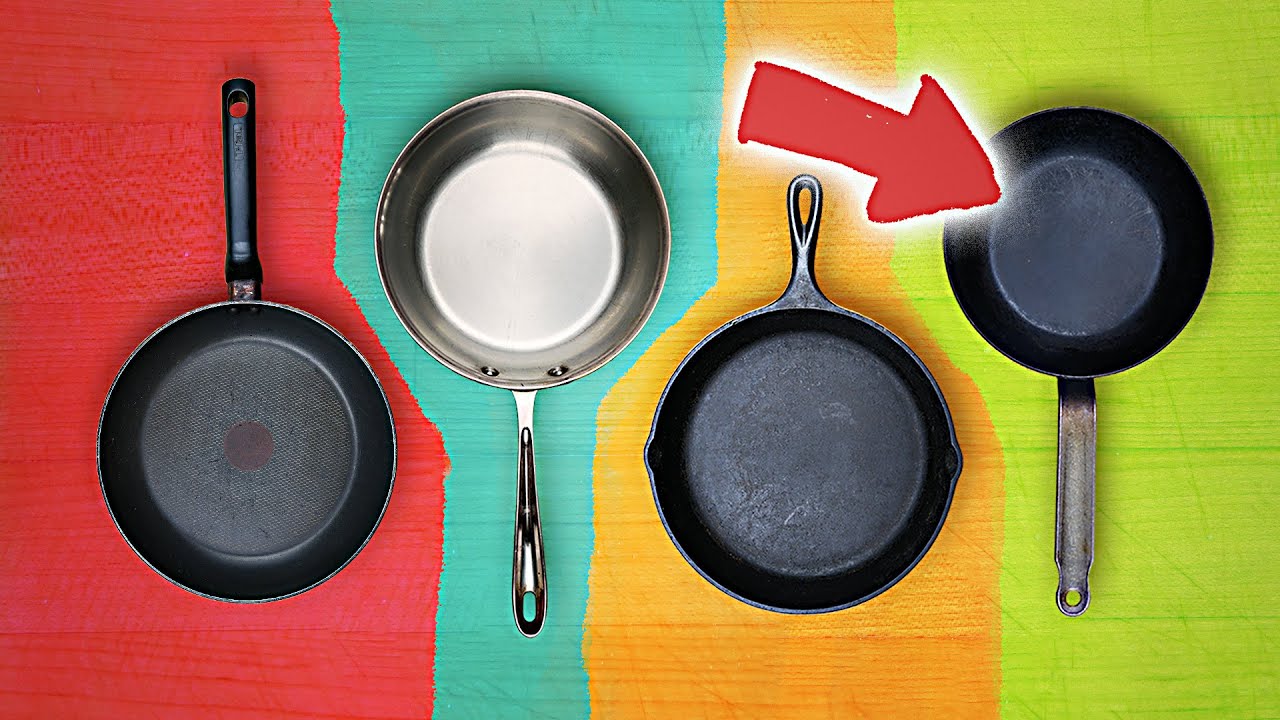
Carbon metal tends to build seasoning turbo than Western-flavor thick solid iron pans effectively due to the fact its thinner metal heats greater briefly and lightly for the time of seasoning sessions. However, both materials will lose their protecting layer if scrubbed aggressively with harsh detergents or scouring pads.
If you go away either reasonably wok wet after cleaning (or worse but soak it), assume orange flecks of rust inside of hours in humid prerequisites. This isn’t deadly; so much light rust can also be scrubbed away earlier than reseasoning yet standard forget about will shorten any wok's lifespan.
For those that choose minimum fuss: innovative preseasoned innovations exist for each substances but still receive advantages from typical maintenance rituals at dwelling.
Practical Pros and Cons: Quick Reference
Here’s a facet-by using-aspect seriously look into how those elements stack up throughout key motives:

| Feature | Cast Iron Wok | Carbon Steel Wok | |------------------------|---------------------------------|-----------------------------------| | Weight | Heavy (surprisingly super ones) | Light - straightforward tossing | | Heat Retention | Excellent | Good but cools turbo | | Heating Speed | Slow to preheat | Rapid response | | Nonstick Potential | Excellent when professional | Excellent when professional | | Rust Risk | High if disregarded | High if ignored | | Durability | Can crack/damage if dropped | Can dent/warp but hardly breaks | | Price Range | $30-$one hundred+ | $20-$70+ | | Suitable Stove Types | Gas/electrical (flat bottom pleasant) | Gas/electric powered (flat bottom satisfactory) | | Handling | Requires strength | Easy one-hand use |
When To Choose Cast Iron Over Carbon Steel
If your cooking leans toward dishes that benefit from mild simmering or stable deep-frying - believe crimson-braised pork belly or crispy spring rolls - solid iron excels by using preserving temperature because of thick and skinny. Those with persistence for preheating will take pleasure in its forgiving nature if they infrequently wander off mid-cook dinner devoid of worry of burning 0.5 their dinner at the same time saving the alternative half of from being underdone.
On underpowered electric powered stoves wherein immediate heating isn’t doable anyway, solid iron may also definitely outperform carbon metallic for consistency by myself.
There’s also some thing deeply enjoyable approximately employing cookware that feels substantial - many chefs love that “heirloom” vibe basically heavy solid iron offers.
When Carbon Steel Wins Out
Speed demons who love prime-warmth stir fries loaded with crisp vegetables or skinny-sliced meats will uncover carbon metallic difficult to overcome - exceedingly on helpful gas tiers where responsiveness issues so much.
If wrist fatigue is proper (as it can be for a lot of homestead cooks), lighter carbon steel makes tossing nutrients workable even when running with bigger 14-inch versions loaded down with dinner quantities for four or more individuals.
Those who revel in turbo-hearth cooking classes where dishes follow each and every other in brief succession will savour how quick carbon metal cools down between responsibilities - no lengthy waits to your pan to drop from blistering hot to possible warm sooner than establishing whatever thing new.
Myths Worth Busting
A few misconceptions glide round about equally elements:
- Some trust all Chinese eating places use purely one form of wok; in reality such a lot legit kitchens go with carbon metal for practicality but heavy-accountability forged iron does seem to be in a few regional cuisines. Others fear all carbon metallic woks warp on the spot over prime warmness; warping happens more commonly while skinny-gauge low cost items are used improperly or greatly surprised with chilly water at the same time screaming warm. Some suppose present day nonstick-covered woks are “bigger” for domestic chefs petrified of rust or seasoning renovation; on the other hand those ordinarily fail underneath severe warmness required for proper stir-frying and should not reflect excellent wok hei flavors. Many folks assume they "ruined" their pan if rust appears; minor rust is additionally fastened through scrubbing with salt or great steel wool then reseasoning. Finally: a flat-bottomed wok can even offend purists however works completely effectively for such a lot homestead chefs riding modern stoves - don’t allow way of life dictate what works correct for your kitchen realities.
Small Details That Matter
Handles deserve mention here: ordinary Chinese woks game two brief steel handles (“ears”), whilst Western-industry versions usually upload a long stick manage for more straightforward tossing on Western stoves. Cast iron variations may just have included handles that get fairly hot during use - forever shop oven mitts nearby when managing those pans immediately from fire to desk.
Diameter also performs a function: 12-14 inch fashions suit households excellent however would possibly crowd smaller burners; solo chefs may perhaps want 10-12 inches for faster heating and less complicated maneuverability.
For glass-precise electric stoves: search out fashions advertised as “modern backside” or “polished base,” even with cloth selected; this reduces scratching probability drastically with out sacrificing efficiency.
Making Your Choice: A Practical Checklist
With most of these commerce-offs swirling around, here’s one concise record to lend a hand steer your ultimate selection:
Stove Type: Gas favors spherical-bottom carbon metal; electrical works more suitable with flat-bottomed versions of either material. Cooking Style: High-heat stir fries name for carbon metallic; simmering/braising is going neatly with forged iron. Strength & Handling: Choose in line with what feels pleased lifting/tossing whilst loaded. Patience Level: If looking ahead to preheat annoys you, pass carbon metallic. Maintenance Willingness: Both require seasoning but neither likes sitting moist; opt for what suits your care conduct most productive.Finding Your Perfect Wok
No unmarried reply fits every cook dinner or kitchen while weighing cast iron wok vs carbon metal - highly given how wildly range types fluctuate in genuine properties all over. What things so much is matching your priorities to what every material can provide rather then chasing a few legendary “best possible.”
If I had merely one fit in my cupboard? I’d lean toward a 14-inch flat-bottomed carbon steel sort for sheer versatility across range varieties - easy handling on busy weeknights but ready satisfactory for formidable weekend tasks involving deep-fried dumplings or gradual-braised goodness alike.
But my neighbor? She swears by her inherited solid iron wok handed down from her grandmother in Guangdong province - battered edges and all - claiming not anything else offers moderately the similar soul-warming consequences while she simmers soy sauce hen every Sunday night time.
Either way: invest in nice from reputable manufacturers (preclude extremely-skinny cut price packing containers), decide to consistent seasoning rituals no matter material selected, and permit journey e book destiny improvements as your abilties grow along your style buds.
Your supreme stir-fry awaits - go with your accomplice wisely and take pleasure in numerous delicious foods beforehand.