Stir-frying over a sizzling flame, coaxing out the elusive wok hei aroma, or slow-braising a aromatic stew - those are extra than cooking methods. They are rituals, handed down with the aid of families and fashioned by means of generations of chefs. Central to those traditions stands the wok, a vessel equally humble and without end versatile. Yet even amongst seasoned dwelling house cooks, the question lingers: is a solid iron wok or a carbon metallic wok the stronger associate within the kitchen?
This resolution is absolutely not a basic rely of fabric. It’s about how you prepare dinner, what flavors you are trying to find, or even wherein you stay. Having cooked with the two kinds for years, in cramped residences and spacious dwelling kitchens, I’ve observed how every one rewards and demanding situations its person. Let’s glance closely at the cast iron wok vs carbon steel wok debate, drawing no longer in simple terms from technical specs but also from the lived expertise of every day cooking.
The Wok: More Than Just a Pan
A wok is just not just an Asian frying pan. Its rounded form, sloped aspects, and deep bowl are designed for tossing food over intense heat, maximizing the Maillard response, and allowing a variety of cooking processes: stir-frying, steaming, braising, deep-frying, even smoking. This versatility makes the selection of materials especially impressive.
While up to date kitchens supply everything from nonstick to stainless-steel woks, cast iron and carbon steel remain the gold necessities between traditionalists and pros alike. Each brings its possess set of strengths and quirks to the desk.
Material Basics: What Sets Cast Iron and Carbon Steel Apart
At first glance, both ingredients carry that coveted sear and increase a traditional nonstick floor with use. But their underlying properties vary in approaches that form each and every factor of the cooking enjoy.
Cast iron is an alloy with a higher carbon content material, making it challenging however brittle with the aid of nature. Chinese solid iron woks are in most cases thinner than their Western skillet opposite numbers but nevertheless particularly heavy. They maintain heat quite nicely and distribute it lightly as soon as warm, despite the fact that they do take longer to warmth up.
Carbon steel, with the aid of evaluation, consists of less carbon and is more malleable. Woks made from carbon metal are lighter, heat up effortlessly, and reply nearly rapidly in case you alter the flame. However, they don’t keep onto heat as stubbornly as solid iron does.

Neither drapery is stainless or rust-evidence. Both require seasoning - that approach of building up polymerized oil layers to create a shielding, semi-nonstick coating - and each demand care to circumvent rusting or stripping that helpful floor.

Handling and Weight: The Feel in Your Hands
The first time you decide upon up a ordinary cast iron wok, you will be surprised by using its heft. Even the lighter Chinese variants can weigh from 4 to 7 pounds for a typical 14-inch wok. Western cast iron woks (like those made with the aid of Lodge) can weigh more than 10 kilos. For some chefs, this solidity brings trust - the wok sits steady at the burner and retains heat at some stage in energetic frying.
But while you wish to toss meals simply or lift the wok with one hand, carbon metallic is a good deal more forgiving. A everyday 14-inch carbon metallic wok may well weigh simply 2 to three kilos. This agility allows for for speedy tossing and shaking, needed for attaining that signature “wok hei” flavor in Cantonese stir-fries.
I bear in mind coaching a group of youngsters to cook dinner their first stir-fry. With the solid iron wok, even the strongest amongst them hesitated to lift and tilt it for plating. When we switched to carbon metal, absolutely everyone may possibly flip the materials with confidence. For house chefs with smaller palms or much less upper body potential, or for a person with wrist disorders, the distinction isn't always trivial.
Heating Behavior: Speed Versus Stability
In reasonable terms, cast iron woks excel at warmness retention. Once delivered as much as temperature, they deal with a regular, even warm throughout the floor. This makes them most excellent for deep-frying or slow braises - the temperature doesn’t drop dramatically while cold materials are brought.
However, that related property should be a hindrance for excessive-warmth stir-frying. Cast iron heats slowly and takes time to calm down. If you misjudge and permit it get too sizzling, you would burn aromatics earlier than you've a hazard to improve. Adjusting your flame promises merely sluggish variations.
Carbon steel, having said that, is responsive and rapid on its toes. It heats up in moments and cools down simply as instant whilst the flame is decreased or delicacies is tossed out. This nimbleness gives you distinct manage, that is why official Chinese kitchens close to universally use carbon steel woks over roaring gasoline burners.
If your kitchen has a successful fuel range or really expert wok burner, carbon steel lets you make the maximum of that warmness. In assessment, on weaker electrical stovetops where sustained warmness is tougher to in achieving, cast iron’s thermal mass delivers a positive buffer.
Seasoning: Building and Keeping the Patina
Both different types of woks require seasoning. This strategy creates a layer of polymerized oil that forestalls rust and imparts a few nonstick properties. Yet the convenience and toughness of that seasoning range among forged iron and carbon metallic.
Cast iron’s rougher floor texture is helping oil polymerize and adhere. With cautious use and conventional preservation, its seasoning can come to be pretty much bulletproof over months or years. The patina in general develops a glassy sheen equivalent to smartly-liked solid iron skillets.
Carbon steel starts smoother however builds up seasoning swiftly. The coating would be greater subtle first and foremost - aggressive scrubbing or acidic sauces may just strip it away till it will become properly dependent. On the plus facet, re-seasoning a carbon metallic wok is generally faster and much less intimidating.
One trick I discovered from my grandmother: after both use, wipe a thin movie of oil onto a warm wok earlier than storing it. This ritual, practiced for either material, steadily builds a durable patina and continues rust at bay.
Cooking Versatility: What Each Wok Does Best
If your cooking leans towards instant, top-heat stir-fries with a good deal of tossing and searing, carbon metal shines vivid. It’s what Chinese restaurant cooks succeed in for while chasing wok hei - that smoky, elusive aroma created via oil vaporizing on intensely scorching steel.
Cast iron comes into its personal for slower dishes that profit from even heat and stability. Red-cooked pork belly, braised tofu, or even shallow frying spring rolls all praise cast iron’s capacity to defend temperature devoid of sizzling spots.
I’ve also determined that forged iron woks excel for deep-frying in dwelling kitchens with weaker burners. Once stuffed with sizzling oil, they hold the temperature constant even when adding batches of cold foodstuff - much less danger of soggy or greasy outcomes.
Still, either forms carry out admirably across so much approaches in case you adapt your attitude. For illustration, whilst via carbon steel for braises or deep-frying, cook over lower warmth and steer clear of sudden temperature swings.
Maintenance Realities: Cleaning, Rust, and Repairs
Neither wok is as carefree as brand new nonstick cookware. Water left on either will briefly cause rust; lingering nutrition acids can strip seasoning; soaking overnight is ill-recommended. Yet these woks additionally present care with many years of carrier.
Cast iron woks are most likely extra forgiving while you slip up every so often - minor rust or seasoning loss is usually scrubbed off and re-professional with staying power. Their thick walls are much less vulnerable to warping under high warm.
Carbon steel is extra at risk of warping if overheated dry or shocked with bloodless water even as sizzling. Its thinner partitions also suggest that deep pits or dents can also spell quandary quicker.
As for cleaning routines: certainly not use soap until you plan to re-season instant after. Instead, scrub gently with scorching water and a comfortable brush or bamboo wok whisk (the “wok chuan”). Dry appropriately over low heat and oil evenly formerly storing.
Real-World Use: The Learning Curve
Every cook dinner faces an adjustment period while adopting a ordinary wok - principally if moving from Western pans or nonstick surfaces.
With forged iron, endurance is key all over preheating and seasoning preservation. You’ll learn to read delicate cues: how long until eventually a drop of water skitters throughout the floor in place of sizzling out out of the blue; whilst smoke signs “capable.” Once ingrained, those behavior transform 2d nature.
Carbon metal demands vigilance initially considering its seasoning is fragile except equipped up due to repeated use. Acidic dishes like tomato-headquartered sauces can strip away your onerous work until your patina is solely matured.
Both advantages known use with higher functionality over the years - an incentive to make stir-fried vegetables or fried rice a part of your weekly rhythm.
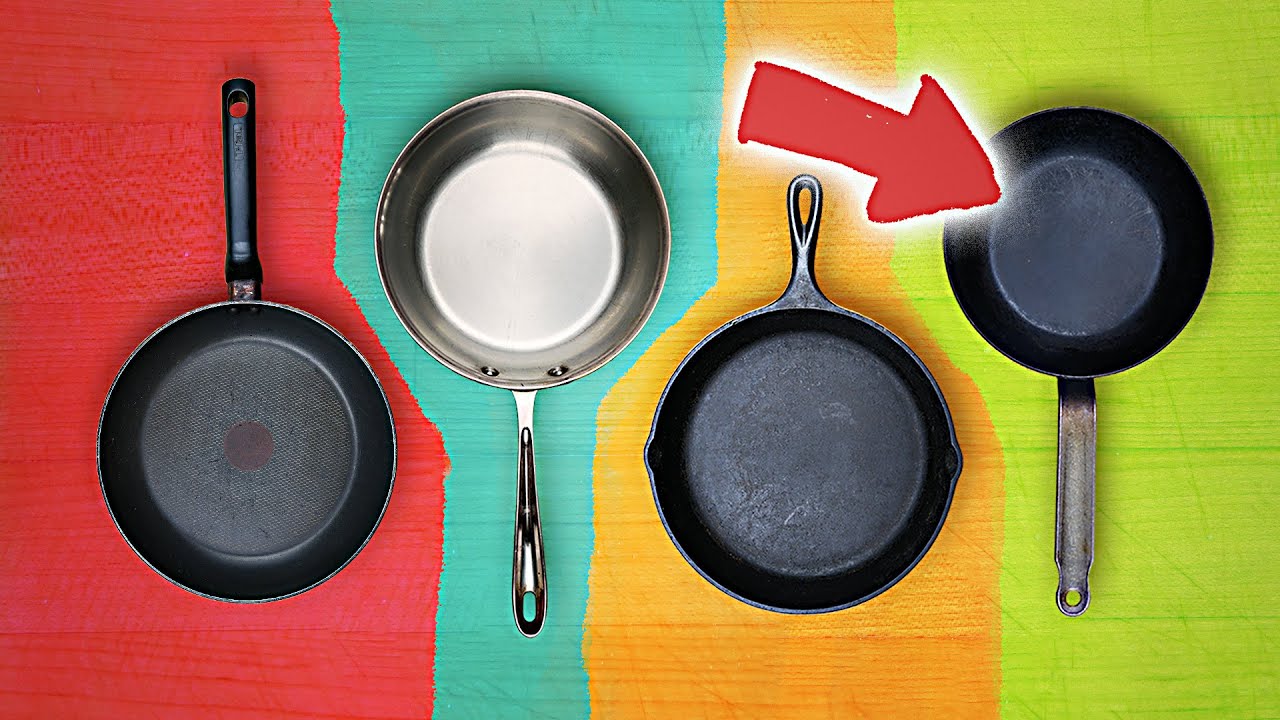
Comparing Cast Iron Wok vs Carbon Steel Wok: At a Glance
For those that fully grasp facet-by-edge comparisons:
| Feature | Cast Iron Wok | Carbon Steel Wok | |-----------------------------|----------------------|---------------------| | Weight | Heavy (four-10+ lbs) | Light (2-4 lbs) | | Heat Retention | Excellent | Good | | Heat Responsiveness | Slow | Fast | | Ease of Tossing | Limited | Excellent | | Seasoning Durability | Builds slowly however lasts | Builds swift however also can strip | | Prone to Warping | Rarely | Occasionally | | Price (commonly used US market) | $30-$eighty | $20-$50 | | Ideal for | Braising, deep frying| Stir-frying |
Choosing Based on Your Kitchen Setup
The exact wok routinely relies as a great deal on your range as your recipes.
Gas stoves with sturdy burners play effectively with both material yet release carbon steel’s full energy for quick tosses and wok hei flavor bursts.
Electric coil or glass-true stoves present demanding situations for regular around-bottomed woks regardless of cloth - flat-bottomed editions exist but generally tend to sacrifice a few tossing agility. Here, solid iron’s thermal mass enables make amends for gradual heating supplies.
If space is tight or your kitchen lacks sturdy air flow, take into accout how pretty much you’ll wish to deep-fry or sear at high heat indoors. A lighter carbon metal wok is more convenient to maneuver underneath awkward vent hoods or at cramped stovetops.
Upkeep Tips: Getting Decades Out of Your Wok
A nicely-cared-for wok becomes an heirloom - I’ve used carbon metallic versions that outlasted various flats and two strikes across kingdom strains.
Here’s a concise list for lengthy-time period care:
Always dry your wok competently after washing. Apply a thin layer of impartial oil whilst nonetheless heat. Avoid long soaks or acidic ingredients until eventually seasoning is mature. Store in a dry area; if stacking with other pans, vicinity paper towels between to defend the seasoning. Occasionally re-season as wanted via heating with oil until eventually evenly smoking.Neglect those steps most likely enough, and each solid iron and carbon metal will punish you with rust or sticky patches; follow them invariably, and your wok will gift you with decades of trustworthy provider.
Flavor and Tradition: Beyond Technicalities
The debate among cast iron wok vs carbon steel wok is simply not pretty much performance metrics or upkeep exercises. It’s tied to way of life and reminiscence.
When I discuss with my aunt in Guangzhou, her battered carbon metal wok contains a long time of background: ghosts of garlic fried in pork fats, scratches from bamboo spatulas wielded by using impatient arms. In her kitchen, pace things - dishes circulate from flame to desk in mins flat.
By comparison, my neighbor in Taipei slow-braises pork noodle soup in her family unit’s forged iron wok handed down from her mother. The heavy pot on no account leaves the range for the time of iciness months; its intensity and stability imbue each batch with heat.
Both thoughts job my memory that identifying a wok is as a good deal about individual rhythm as technical specifications.
When One Isn’t Enough
Some passionate chefs emerge as proudly owning each varieties for exclusive initiatives - due to carbon steel for stir-fries on weeknights and breaking out solid iron for weekend braises or deep-fried treats.
If your funds or storage allows best one wok, bear in mind your such a lot universal dishes and your kitchen ergonomics certainly else.
Sourcing Your Wok: What to Look For
Whether making a choice on forged iron or carbon metal, seek for those facets:
- A diameter of 12 to fourteen inches suits maximum domestic tiers. Traditional circular-bottomed shapes excel on gas; flat-bottomed types paintings improved on electric stoves. Welded or riveted handles deliver brilliant grip; timber handles reside cool yet can also want tightening through the years. Avoid woks with chemical nonstick coatings - they lack longevity and restrict excessive-warmness searing.
The high-quality magnitude almost always comes from eating place grant shops or Asian markets https://emilianostlb320.theburnward.com/versatility-in-the-kitchen-cast-iron-wok-vs-carbon-steel other than top-give up stores; rates infrequently exceed $50 for wonderful good quality unless you prefer boutique manufacturers.
The Verdict: Cast Iron Wok vs Carbon Steel Wok
No typical solution exists for the reason that genuine kitchens run on individual desires and conduct.
If you crave rapid stir-fries with smoky charred flavors and prefer a specific thing light adequate for tossing and easy flipping, carbon metallic gets my nod anytime.
If your recipes skew in the direction of sluggish-cooked stews or deep-frying in which steady temperature reigns ultimate - especially on much less strong burners - solid iron remains unbeatable.
The magnificence lies in how both supplies invite hands-on care and turn out to be with use. Whichever course you pick, your wok will become no longer just cookware but an extension of your hand and history - equipped for whatever flavors look ahead to your next meal.