Step into any bustling residence kitchen or restaurant, and eventually the question of cookware determination comes up. When it involves woks - the heart and soul of stir-fries, fried rice, and loads extra - chefs discover themselves selecting between forged iron and carbon metal. Both have deep roots in culinary background. Both can produce mouthwatering outcome. Yet, their modifications are a long way from trivial.
Having cooked professionally in wok stations and experimented at domicile for many years, I even have observed firsthand how each textile shapes not just the nutrition, however additionally the rhythm and feel of cooking. This isn't always really a remember of subculture versus fashion. The decision among a forged iron wok and a carbon metal one touches on flavor, methodology, repairs, and even confidential type in the kitchen.
The Character of Each Material
Cast iron and carbon steel share a particular ancient-international charm. They both require seasoning - it really is, development up a layer of polymerized oil for protection and nonstick homes. They equally eschew shiny colors and man made coatings. Yet they diverge in composition and habit.
Cast iron is dense and heavy. Traditional Chinese cast iron woks can be especially thin-walled in comparison to Western skillets, yet in spite of this, they continue warm with stubborn tenacity. Carbon steel is lighter and more responsive. It heats up straight away and cools down just as swift. The distinction shouldn't be diffused. Slide your hand along every, and one can really feel it: the silky patina setting up on properly-used carbon steel, the granular texture of professional cast iron.
A classic carbon metallic wok most often weighs between 2 and five pounds for a 14-inch variation. Its forged iron counterpart may well tip the size closer to 7 pounds or greater. For some cooks, that heft feels reassuring. For others, it way fatigue after a few minutes of tossing noodles.
Stir-Frying: Speed Versus Stability
The middle of wok cooking lies in stir-frying. High warm, immediate action, and distinctive keep an eye on are critical. Here, carbon metallic shines. A outstanding carbon metal wok can pass from room temperature to blazing warm in beneath a minute on a actual burner. That fast response is relevant if you wish to sear aromatics or toss vegetables in order that they keep crisp-mushy.
Cast iron’s slower warm-up time is usually a hindrance for this genre. However, once it is hot, it stays scorching. For dishes that improvement from sustained, even heat - suppose shallow frying or a frittata-like egg foo younger - cast iron’s thermal mass is an advantage. In busy kitchens with underpowered stoves, that retention can make a big difference. You can drop in a gigantic handful of cold foods devoid of shedding your sizzle.
Personal trip: I still be aware my first test at pad thai on a forged iron wok. The noodles steamed as opposed to seared. I learned too overdue that my dwelling stove simply couldn't muster ample warmth for that heavyweight vessel. Swapping to carbon steel solved it. The difference was once prompt: charred edges on tofu, snappy bean sprouts, and no longer a trace of sogginess.
Seasoning and Maintenance
Both forms demand care. Seasoning is simply not elective; it truly is imperative for overall performance and longevity.
Carbon metallic seasons directly. After burning off the manufacturing unit oil and applying your personal layer (flaxseed oil is universal, however lard or canola paintings simply as nicely), you will get a skinny patina after simply a few stir-fries. The surface grows slick with use. If you accidentally scour by using the seasoning, it is easy to rebuild. Most cooks in basic terms wipe the wok with oil after cleaning and revisit excessive-warmth seasoning once in a while.
Cast iron woks boost seasoning more slowly. The pores in the metallic can trap moisture in case you will not be diligent about drying and oiling after both use. In humid climates, rust can creep in overnight. On the turn area, as soon as well-known, a forged iron seasoning can face up to extra abuse: higher oven temperatures, deeper scrubbing. There is anything deeply gratifying approximately the deep black sheen of an historic solid iron wok, facts of lots of ingredients cooked and shared.
One facet case: should you prepare dinner acidic dishes (tomato-depending sauces, vinegar-heavy stir-fries), both material can lose some seasoning. Carbon steel reacts sooner, leaving in the back of metal flavors once you linger. Cast iron is more forgiving yet nonetheless benefits from set off cleaning after acidic ingredients.
Everyday Practicalities: Handling and Storage
A wok isn't really just a cooking surface. It is a tool supposed to be wielded. Here is in which weight and care for layout subject. Most carbon metallic woks include a single lengthy take care of (the “Northern” trend) or two small loop handles (the “Cantonese” model). Cast iron woks most commonly function the twin handles on account of their heft. If you propose to toss foodstuff with one hand, carbon metal is significantly extra plausible. Even 15 minutes into a hectic dinner service, my arms not ever tire with a 3-pound carbon steel wok. Cast iron requires two fingers or a effective wrist, especially when aiming for those dramatic tosses that aerate and sear simultaneously.
Storage is an additional point. Carbon metal’s lighter construct permits you to cling it on a pot rack or slip it into tight areas. Cast iron’s bulk might be unwieldy. Some chefs hinder their cast iron wok completely at the stove as a form of badge of honor (and as an excuse to use it repeatedly). Neither subject matter must always be left rainy or stacked with different pans; moisture is the enemy.
Heat Sources and Versatility
Not each and every kitchen has a roaring fuel burner. In reality, many residence chefs make do with electrical coils or induction hobs. Both sorts of wok is additionally adapted, but with caveats. A flat-bottomed carbon metallic wok works effectively on electric or induction. Round-bottomed types can wobble dangerously unless you employ a wok ring, that can sap warm from electric powered stoves.
Cast iron’s even base makes it https://augusthdtb410.tearosediner.net/weight-matters-comparing-cast-iron-wok-vs-carbon-steel-wok-3 greater forgiving on glass-major stages. Its weight ensures complete contact with the burner. That pointed out, so much induction cooktops have sensors that can no longer acknowledge thinner carbon metallic woks until they make true touch. Cast iron is much less fussy the following.
Beyond stir-frying, either woks can deal with deep-frying, steaming (with a bamboo or metallic rack), simmering stews, and even roasting peanuts or coffee beans. The cast iron wok excels at duties wherein continuous, enveloping heat is needed. Carbon metal is unbeatable for immediate searing or if you need to replace temperatures hastily.
Flavor and Wok Hei
Every cook chasing official Chinese flavors has heard of “wok hei” - that elusive breath of the wok. It is a made from critical heat, quickly flow, and smoky aroma. Carbon metal is mainly credited with making this seemingly at dwelling. Its skinny partitions can reach temperatures above seven hundred°F in the event that your burner is up to the challenge. You can see onions blister just about suddenly, smell garlic caramelize beforehand it has a probability to burn.
Cast iron can supply a few wok hei inside the perfect fingers, enormously with sufficient preheating. But as it loses warm less easily when chilly components hit the pan, foodstuff would possibly steam instead of sear except you work in small batches and give loads of time for healing. In restaurants with mega-BTU burners, cooks mostly use cast iron for large batch cooking in which consistency things extra than cut up-2d searing.
Anecdotally, my personal attempts at Cantonese-model fried rice tasted uninteresting until I switched to carbon steel. The change used to be no longer most in nonstick skill however in that elusive smoky notice - hard to describe but all of the sudden recognizable as soon as you've tasted it.
Cleaning Up: Myths and Realities
There is a continual myth that woks may still on no account be washed with cleaning soap. In actuality, slight soap is wonderful provided that you rinse utterly and dry rapidly. The major threat is scrubbing away seasoning or letting water linger lengthy satisfactory to rust either steel.
After stir-frying in carbon steel, I most likely rinse with hot water and wipe dry over low warm. Occasionally I will use a comfortable sponge with a drop of soap if there is caught-on residue. For solid iron, the process is identical however demands greater vigilance approximately drying; trapped water less than the seasoning layer can result in pitting rust overnight.
For both sorts: in no way soak overnight. Never run by way of the dishwasher. Never store devoid of oiling lightly. These guidelines sound strict yet became moment nature after some weeks’ use.
Durability and Longevity
With authentic care, both model can final generations. Carbon steel is less brittle; this will warp less than extreme warm or forget but infrequently cracks. Cast iron is robust yet can fracture if dropped onto tile or stone flooring. I have viewed century-historical cast iron woks exceeded down by means of households in Guangzhou as heirlooms, their surfaces glassy-mushy from a long time of each day foods.
With heavy use (eating place kitchens firing lots of of dishes according to nighttime), carbon metal woks may perhaps want replacing each few years resulting from thinning or warping. In dwelling kitchens, both forms are most likely lifetime investments.
Cost and Availability
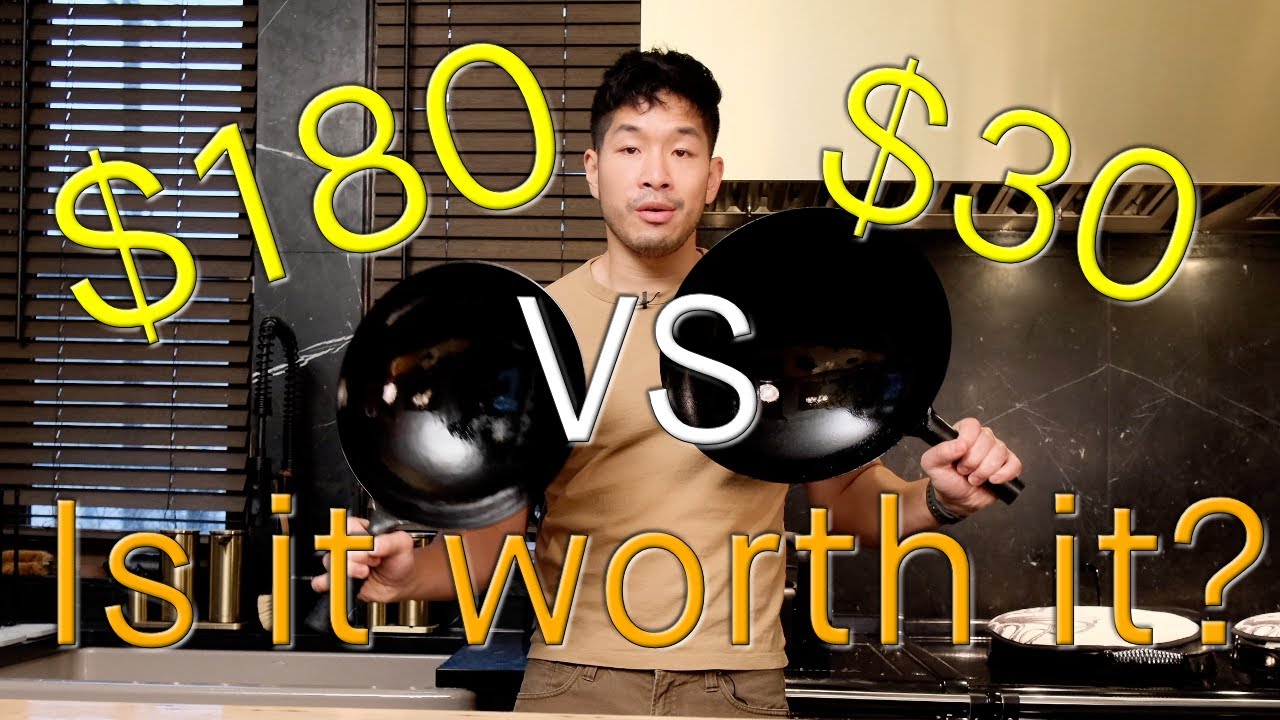
For most dwelling cooks in North America or Europe, fantastic excellent carbon steel woks are broadly reachable and relatively low cost. Expect to pay at any place from $30 to $70 for a properly-made 14-inch type. Cast iron woks are less regularly occurring open air Asia yet shall be discovered online or via uniqueness importers. Prices vary largely: average hand-hammered Chinese solid iron woks can expense $40 to $100 or extra; Western manufacturers ceaselessly run bigger caused by branding or ending touches.
Some mass-market “solid iron woks” are necessarily deep skillets with rounded aspects rather then exact woks; those lack the thinness and form wanted for proper Chinese system.
When Each Shines: Matching Wok to Task
It is tempting to claim a winner between cast iron and carbon steel. The certainty is greater nuanced. Each excels underneath specific situations.
Here is a speedy reference when making your preference:
| Task | Cast Iron Wok | Carbon Steel Wok | |-----------------------------|---------------------------|-------------------------| | High-warmness stir-frying | Serviceable (with time) | Excellent | | Deep-frying | Excellent | Excellent | | Steaming | Very well | Very magnificent | | Simmering/soups | Excellent | Good | | Egg-primarily based dishes | Excellent (with seasoning)| Good | | Tossing delicacies | Difficult (heavy) | Easy | | Use on induction/electric | Good (flat base) | Very desirable (if flat) | | Achieving wok hei | Possible (with persistence) | Best |
This table simplifies reality moderately. For illustration, if your solely stove is electric and low-powered, forged iron would give you more desirable effects with the aid of retaining heat longer. If you magnitude immediate temperature shifts or plan to prepare dinner classic Cantonese boulevard food at dwelling house, carbon metal will suppose like an extension of your hand.
Common Pitfalls and How to Avoid Them
Every cook dinner has made rookie error with woks. Here are five functional pointers (in list style for readability):
Preheat totally prior to adding oil or meals; equally metals function quality when hot satisfactory to shimmer oil instantaneously. Dry at this time after washing to avoid rust; depart over low warmth for a minute or two. Use satisfactory oil for the duration of initial seasonings; skimping leads to patchy surfaces. Avoid cooking quite acidic ingredients except seasoning is neatly-built. If rust appears to be like, scrub gently with metallic wool and re-season; do no longer panic.The Personal Factor: How Cooking Feels
In the give up, cookware decisions are deeply exclusive. Some cooks love the ritual heft and background of solid iron. Others get pleasure from the nimbleness of carbon metal. For me, carbon metallic is my customary accomplice - gentle adequate for frantic weeknight dinners yet robust adequate for birthday party-sized fried rice feasts. But whilst making mapo tofu or simmering a batch of purple-cooked pork abdominal, I succeed in for cast iron every time.

If you like instruments and preservation exercises, solid iron delivers a moneymaking journey towards perfection. If you prefer minimum fuss and maximum pace, carbon steel will preserve tempo along with your creativity.
Final Thoughts: Which Should You Choose?
There isn't any single most efficient reply inside the “Cast Iron Wok vs Carbon Steel” debate. The such a lot versatile kitchens incessantly have both inside arm’s achieve. For newcomers or the ones constrained by means of budget or garage space, get started with carbon steel except you have got a specific intent (inclusive of electrical-in basic terms cooking or a ardour for sluggish braises) to favor solid iron.
Season your wok with patience and care. Cook customarily satisfactory that it in no way gathers airborne dirt and dust. Over time, you may construct no longer just taste but trust - and possibly skip down your popular wok to every other technology of enthusiastic chefs.